
OmneDiem News & Education Hub
OmneDiem® News & Education
Supplement science, made easy to use every day.
Plain-language guides on digestion, brain health, strength, joints and women’s health — plus the latest news and product updates from OmneDiem.
Explore by topic
What do you want to learn about?
Pick a topic to jump to our guides, the research behind them, and the formulas built around each one.
Digestion & histamine
DAO enzymes, histamine intolerance, and high-histamine foods and drinks.
See guides ↓Brain & focus
Citicoline, B12 and the nutrients that support memory, focus and mental energy.*
See guides ↓Strength & creatine
Why creatine research now reaches well beyond the gym.
See guides ↓Joints & mobility
Collagen, hyaluronic acid and nutrition for joints, tendons and ligaments.*
See guides ↓Women’s health
Perimenopause, menopause and the hormone connections worth knowing.
See guides ↓More on the way
We’re adding new formulas and guides. See what’s new at OmneDiem.
What’s new →News
Latest from OmneDiem®
Partnerships, product launches and research notes.
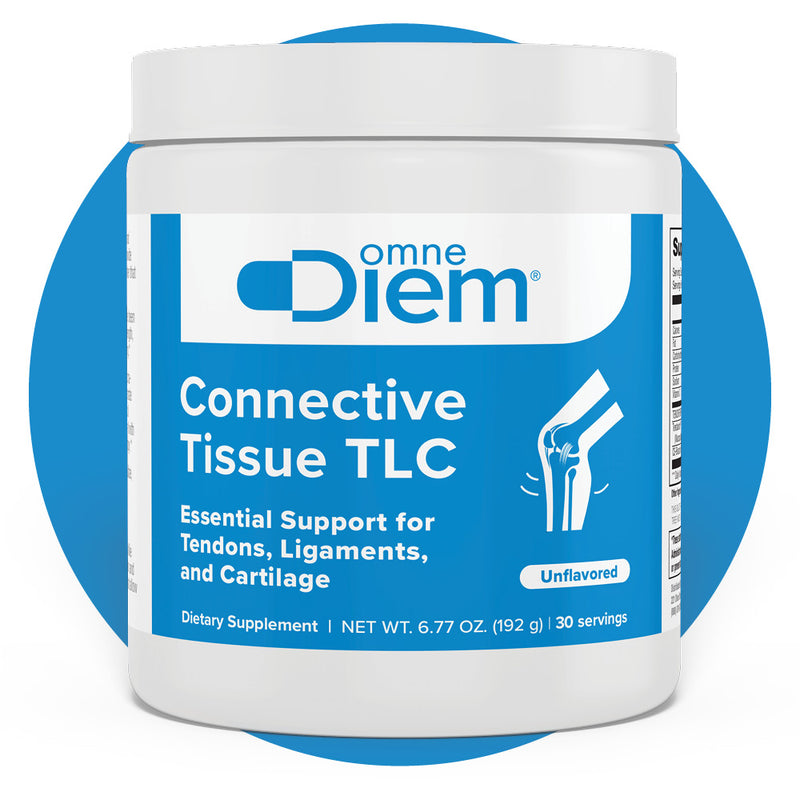
Connective Tissue TLC, reformulated
Now with TENDOFORTE®, TENDAXION® and CHONDROPURE® to support tendons, ligaments and cartilage.*
See what’s new →
Partnering with Dr. Carrie Jones, ND
Her take on hormones, histamine and healthy aging. Save 25% with code DRJONES.
Meet Dr. Jones →Introducing Menopause Complete
Why we built a formula for the changes many women notice in their 40s and 50s.
Read the story →The histamine–hormone trend
What the antihistamine-for-menopause trend gets right, what it misses, and a different approach.
Read the article →Allergy or histamine? Key clues
Overlapping signs, different mechanisms, and what to ask your provider.
Read the article →Digestion & histamine
Digestion, DAO & dietary histamine
Think of your body like a sink: histamine flows in from food and drink, and the DAO enzyme helps keep the drain open. Start with the basics, then explore food and drink guides.
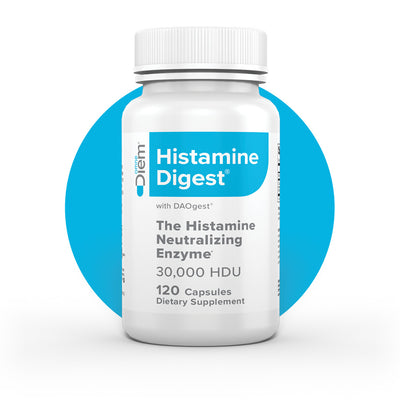
What is histamine intolerance?
Why some people react to histamine-rich foods, and what the research says so far.
Read → Start hereWhat is the DAO enzyme?
Meet diamine oxidase, the digestive enzyme that breaks down histamine from food.
Read → ComparePea vs. porcine DAO
Two DAO sources side by side, and which has the stronger human research.
Read → FoodFoods high in histamine
The everyday foods most likely to fill your histamine bucket.
Read → FoodLow-histamine shopping list
A simple grocery list and easy meal ideas.
Read → DrinksWhich alcohol is highest in histamine?
Wine, beer and spirits ranked, plus lower-histamine picks.
Read →Brain & focus
Brain health & mental energy
How nutrients like citicoline and methyl B12 support memory, focus and everyday mental energy.*

Strength & creatine
Creatine, strength & healthy aging
Creatine is one of the most-studied supplements in sports nutrition, and research is now exploring its role in brain energy and healthy aging, too.
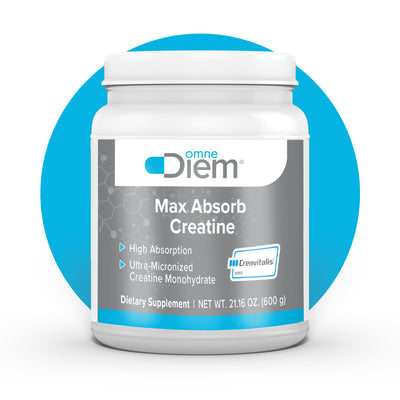
Creatine has moved beyond the weight room
The latest research on creatine for women, active adults and healthy aging, and what it means for you.
Read the guide → Coming soonWomen’s Creatine with Collagen
A new formula made with women in mind. Be the first to know when it launches.
Get a first look →Joints & mobility
Joint comfort, mobility & connective tissue
Your joints carry the load of aging, training and daily life. Learn how collagen, hyaluronic acid and targeted nutrition fit in.*
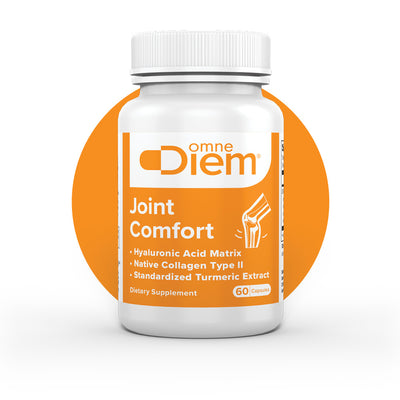
Joint Comfort
ZOARA® complexHyaluronic acid, type II collagen and turmeric in one allergen-free capsule to support joint comfort.*
Shop now →Connective Tissue TLC
TENDOFORTE® + TENDAXION® + CHONDROPURE®Supports tendons, ligaments and cartilage.*
Shop now →Your joints were made to move: here’s how nutrition fits in
How type II collagen, hyaluronic acid and other nutrients support joints under the stress of aging and training.*
Read the guide → Ingredient guideJoint Comfort and ZOARA®: three ways it supports joints
Inside the three-ingredient complex.*
Read → Ingredient guideInside Connective Tissue TLC
Three clinically studied ingredients for tendons, ligaments and cartilage.*
Read → WellnessBetter together: metabolic health & joint comfort
The link between healthy weight and how your joints feel.
Read →Women’s health
Perimenopause, menopause & hormones
Many women notice new sensitivities in their 40s and 50s. These guides explain the hormone connections and ways to support your body through each stage.*
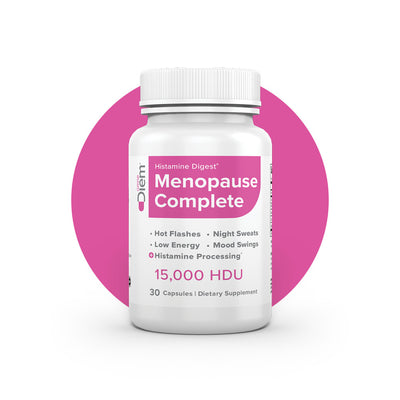
Estrogen, histamine & Menopause Complete
How estrogen, pregnancy and perimenopause can affect histamine tolerance.
Read → MenopauseMenopause and histamine
Why foods you once enjoyed may feel different in midlife.
Read → PerimenopausePerimenopause & histamine
How shifting hormones may change your tolerance.
Read → PregnancyHistamine & pregnancy
Why many people notice changes during pregnancy.
Read →Shop by need
Find the right formula
Quick answers
Frequently asked questions
Are OmneDiem supplements third-party tested?
Yes. OmneDiem uses third-party testing to check the quality and potency of its formulas. Visit our 3rd-Party Tested page to learn more.
What does the DAO enzyme do?
Diamine oxidase (DAO) is the main enzyme that breaks down histamine from food in the digestive tract. A DAO supplement is designed to support that process when taken shortly before meals.*
Is creatine only for athletes?
No. Creatine is best known for supporting muscle strength and exercise performance, but research is also exploring its role in brain energy and healthy aging for women and older adults.* Max Absorb Creatine uses Creavitalis®, a micronized creatine monohydrate.
What is citicoline?
Citicoline (CDP-choline) is a compound the body uses to build phosphatidylcholine, a key part of brain cell membranes. Brain Support Plus uses Cerenx® citicoline to support memory, focus and mental energy.*
What is in Joint Comfort?
Joint Comfort uses the ZOARA® complex: hyaluronic acid, type II collagen and turmeric (curcumin) combined in one allergen-free capsule to support joint comfort and mobility.*
Do you offer Subscribe & Save?
Yes. Subscribe & Save takes 10% off every order, and shipping is free within the US.