
Understanding Histamine Intolerance
Is It Histamine Intolerance, an Allergy, or Something Else?
Do you have a range of unexplained symptoms and wonder whether it might be histamine intolerance, an allergy, or something else entirely? Many people go looking for answers when typical allergy tests come back negative, yet the symptoms persist — skin reactions, digestive issues, headaches, a racing heart after certain meals, mood swings, or that general sense that “something’s not right.”
Quick answer
Histamine intolerance is a problem of slow breakdown — your body makes more histamine than it can clear, usually because of low DAO enzyme activity, so allergy tests come back negative. An allergy is an immune (IgE) reaction that tests positive. In MCAS, mast cells over-release histamine. Anxiety, depression, and chronic fatigue can look similar because histamine is also a neurotransmitter — but those symptoms stay more constant, while histamine reactions rise and fall with what you eat.
Histamine intolerance (HIT) occurs when there is more histamine in the body than it can efficiently break down. Histamine itself isn’t harmful — it’s a natural compound involved in immune responses, digestion, and communication between cells. The trouble starts when histamine builds up faster than it’s cleared, often because of reduced activity of the DAO (diamine oxidase) or HNMT enzyme, or an excess of histamine-producing bacteria in the gut.1 This overload can affect the skin, digestive tract, cardiovascular system, and even mood.2 (For a deeper look, read Histamine Intolerance Is Real.)
Because histamine overload can cause such a wide range of symptoms, histamine intolerance is often mistaken for other conditions. People are frequently told they have an allergy, Mast Cell Activation Syndrome (MCAS), an anxiety disorder, depression, or Chronic Fatigue Syndrome (CFS). In some cases more than one of these can co-exist — or histamine intolerance may even contribute to the development or worsening of some of them. Below we look at each one and where it overlaps with, and differs from, histamine intolerance.
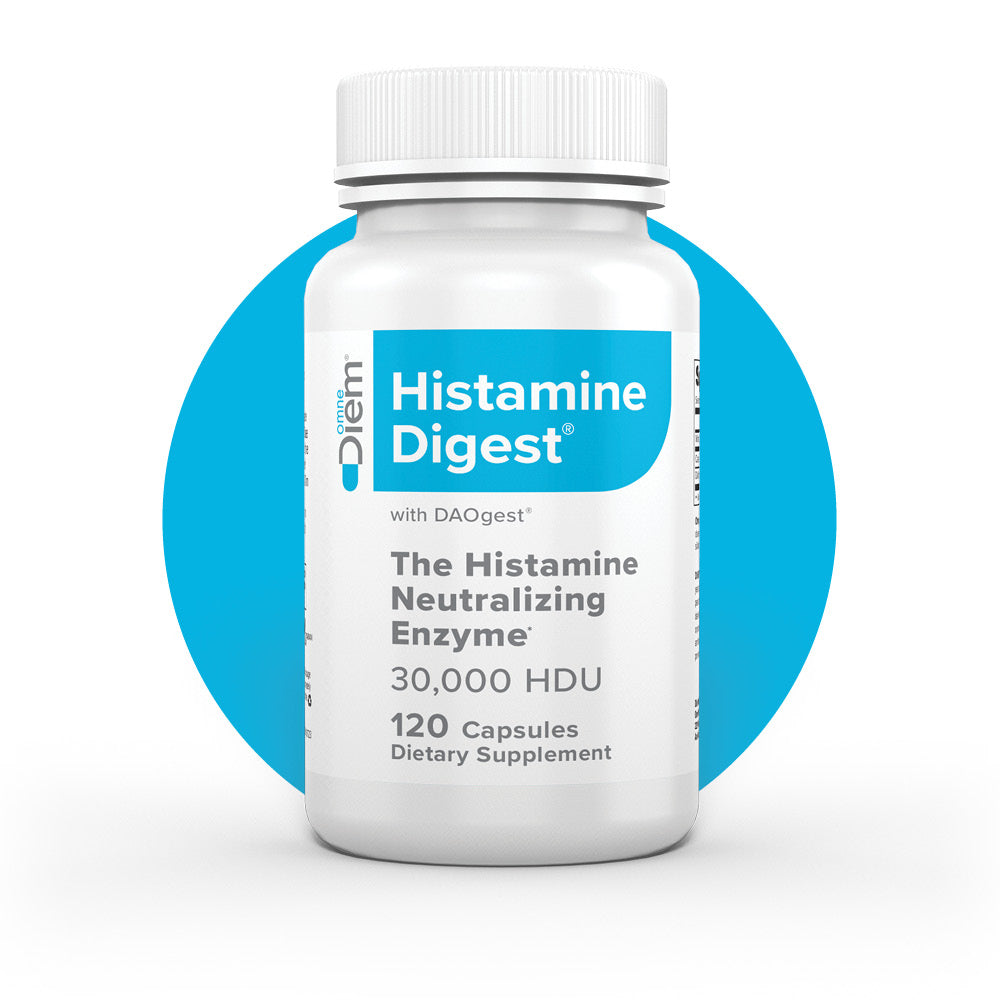
Support your body’s histamine breakdown
Histamine Digest® delivers the original, patented DAO enzyme — the enzyme that breaks histamine down in your gut. Take it with histamine-rich meals to help lighten the load.
Shop Histamine Digest DAO →Histamine Intolerance vs. Allergy
At first glance the two can look almost identical. Both can cause itching, hives, flushing, headaches, nasal congestion, or digestive discomfort. The difference lies in why the symptoms happen.
An allergy is an immune-system reaction to a harmless substance such as pollen, dust mites, or certain foods. When your body mistakenly sees these as threats, it produces IgE antibodies and triggers mast cells to release histamine. This is the classic allergic response, and it can be confirmed with allergy testing.3
In histamine intolerance, the immune system isn’t overreacting — your body simply can’t clear histamine quickly enough. The result is a build-up of histamine from both internal sources (mast cells, gut bacteria) and external ones (histamine-rich foods).1 Because no true allergy is present, allergy tests usually come back negative, which adds to the confusion. Of course, it’s also possible to have both a histamine intolerance and an allergy, which makes finding the root cause even harder.
Histamine Intolerance vs. Mast Cell Activation Syndrome (MCAS)
MCAS and histamine intolerance share many symptoms with an allergy because all three involve histamine — but they aren’t the same condition.
In MCAS, the problem lies with the mast cells themselves. These immune cells release histamine and other inflammatory mediators too easily or too often, even when there’s no real threat. That constant activation can drive widespread symptoms — flushing, dizziness, itching, digestive upset, brain fog, and fatigue.4
In histamine intolerance, mast cells usually behave normally, but the body struggles to break down histamine that’s already present. The main enzyme responsible for that breakdown is DAO. When DAO activity is reduced — for example by gut inflammation, certain medications, or nutrient deficiencies — histamine levels rise.5
| Histamine Intolerance | Allergy | MCAS | |
|---|---|---|---|
| Core problem | Histamine cleared too slowly (low DAO) | Immune (IgE) overreaction to a trigger | Mast cells release too much, too often |
| Immune-driven? | No | Yes (IgE) | Yes (mast-cell mediators) |
| Allergy test result | Usually negative | Usually positive | Often negative for specific IgE |
| Timing | Delayed; depends on total load | Immediate after exposure | Episodic “flares,” variable triggers |
| Dietary link | Strong (histamine-rich foods) | Specific trigger food | Variable; many non-food triggers |
Simply put: in MCAS, histamine and other mediators are being released excessively; in histamine intolerance, histamine is being cleared too slowly. That said, the two can exist together — someone with MCAS may also break down histamine inefficiently, making symptoms more pronounced. Understanding which process is driving your symptoms helps guide treatment and dietary choices. For more, read What Is an MCAS Flare?
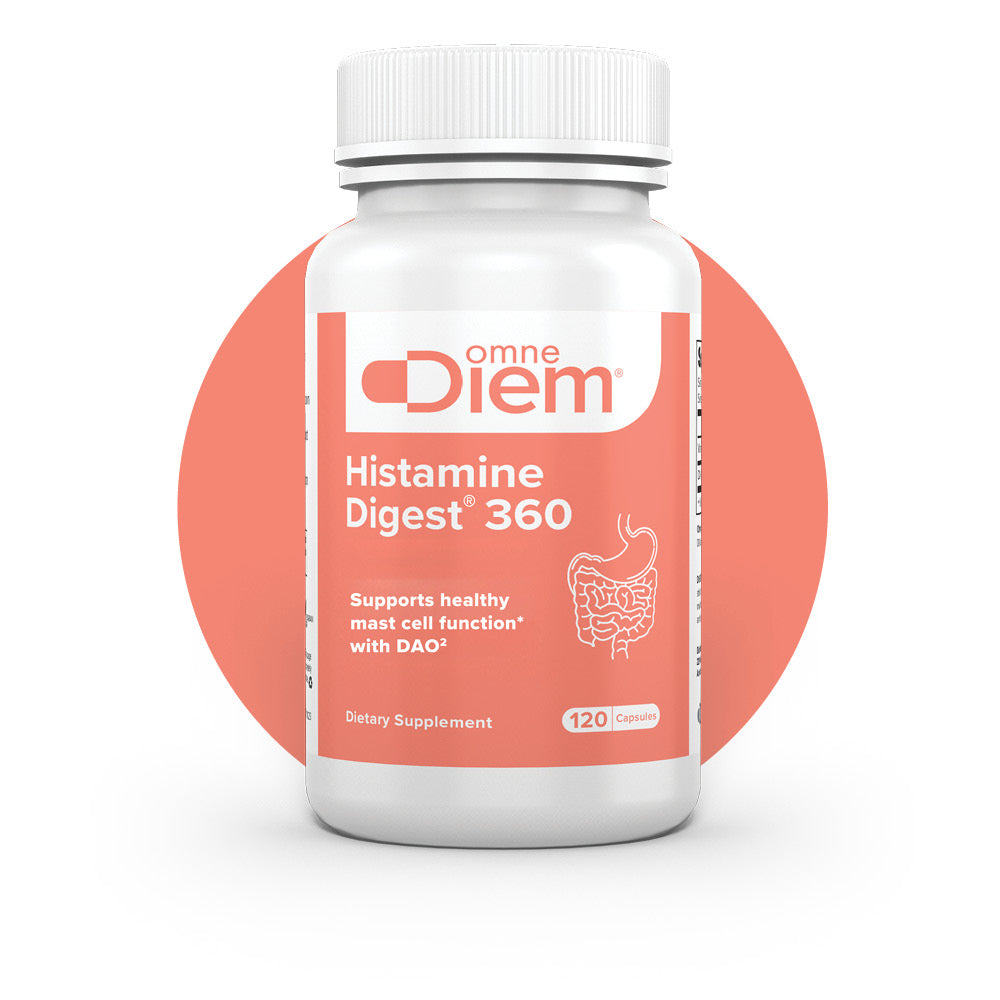
Extra support when histamine feels relentless
Histamine Digest® 360 pairs DAO enzyme with activated vitamin B6 (P5P) for people whose symptoms point toward mast-cell and histamine overload.
Explore Histamine Digest 360 →Histamine Intolerance vs. Anxiety and Depression
Some symptoms of histamine intolerance — a rapid heartbeat, headaches, digestive issues, or brain fog — overlap with anxiety or depression, which often leads to confusion. The key difference is the trigger and pattern:
HIT symptoms are usually linked to specific foods, leftovers, alcohol, or other histamine-releasing triggers, and they can vary day to day with your overall histamine load. Anxiety or depression symptoms tend to be more consistent, aren’t tied to particular meals, and are shaped by emotional or psychological factors rather than dietary histamine.
However, the two can influence each other. Histamine is also a neurotransmitter, so high histamine levels can amplify anxiety-like symptoms, and chronic stress or depression can affect gut function and potentially worsen histamine intolerance.6 Keeping a symptom-and-food diary is especially helpful here, since it can reveal whether reactions follow a pattern that points to HIT or another cause.
Histamine Intolerance vs. Chronic Fatigue Syndrome (CFS)
Two of the possible symptoms of histamine intolerance — fatigue and brain fog — can resemble Chronic Fatigue Syndrome (CFS / ME), making the two easy to confuse. Again, the difference is mostly in triggers and patterns.
CFS is characterised by persistent, unexplained fatigue that isn’t substantially relieved by rest, often with post-exertional malaise, unrefreshing sleep, widespread pain, and cognitive difficulties; its triggers are less clearly tied to diet.7 HIT-related fatigue usually fluctuates more with histamine load and food choices — you might feel fine after a low-histamine day but noticeably worse after aged cheese or fermented foods — and it typically comes bundled with other histamine symptoms.
It’s also worth noting that HIT and CFS can occur together, and someone with CFS may be more sensitive to histamine triggers. Tracking symptoms carefully — and watching for patterns related to food, stress, and environment — helps distinguish the two.
How to Start Figuring Out if It’s Histamine Intolerance
Distinguishing histamine intolerance from allergies, MCAS, anxiety, or CFS can feel overwhelming — but breaking it into steps makes it manageable.
-
Rule out allergies
Allergy testing can confirm or eliminate classic IgE-mediated allergies. Remember: a negative allergy test doesn’t rule out histamine intolerance.3
-
Track your symptoms
Keep a simple diary of what you eat, environmental exposures, and when symptoms appear. Look for patterns that match histamine-rich foods or triggers like alcohol, leftovers, and fermented foods.
-
Try a structured low-histamine approach
Following a structured low-histamine diet for 4–6 weeks under professional guidance can reveal whether reducing histamine intake improves your symptoms.8
-
Consider other conditions
If symptoms don’t improve with low-histamine strategies, or if multiple systems are involved, consult a healthcare professional. MCAS, anxiety disorders, depression, or CFS may coexist and need a broader approach.
-
Look at the whole picture
HIT is rarely the only factor. Gut health, stress levels, sleep quality, and hormonal balance all shape how histamine affects your body.
By approaching your symptoms systematically, you can begin to see whether histamine intolerance is the main issue — or one piece of a more complex puzzle. Tracking, observation, and professional support are the real keys to clarity and better wellbeing.
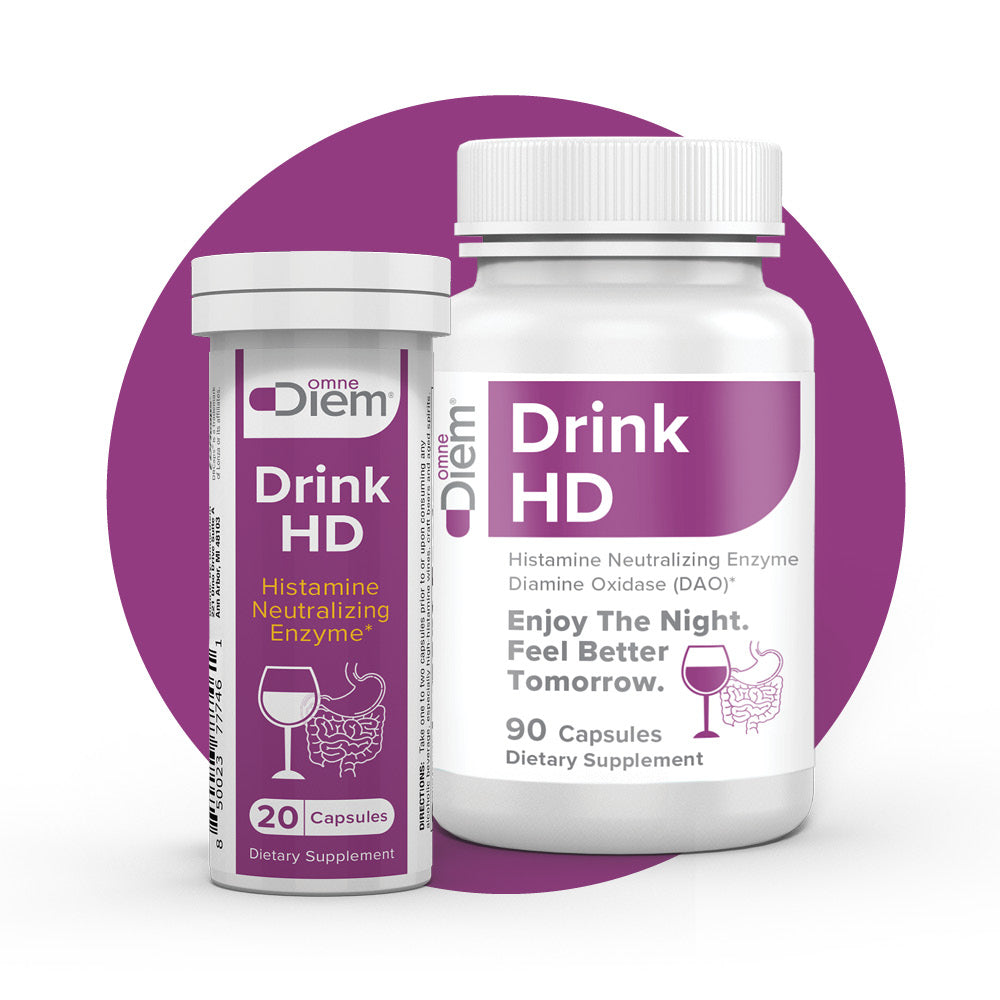
Histamine support that fits real life
Dining out or travelling? Drink HD is a portable DAO enzyme you can take with any meal — histamine breakdown support without the bottle.
Try Drink HD →The Histamine Digest® Family
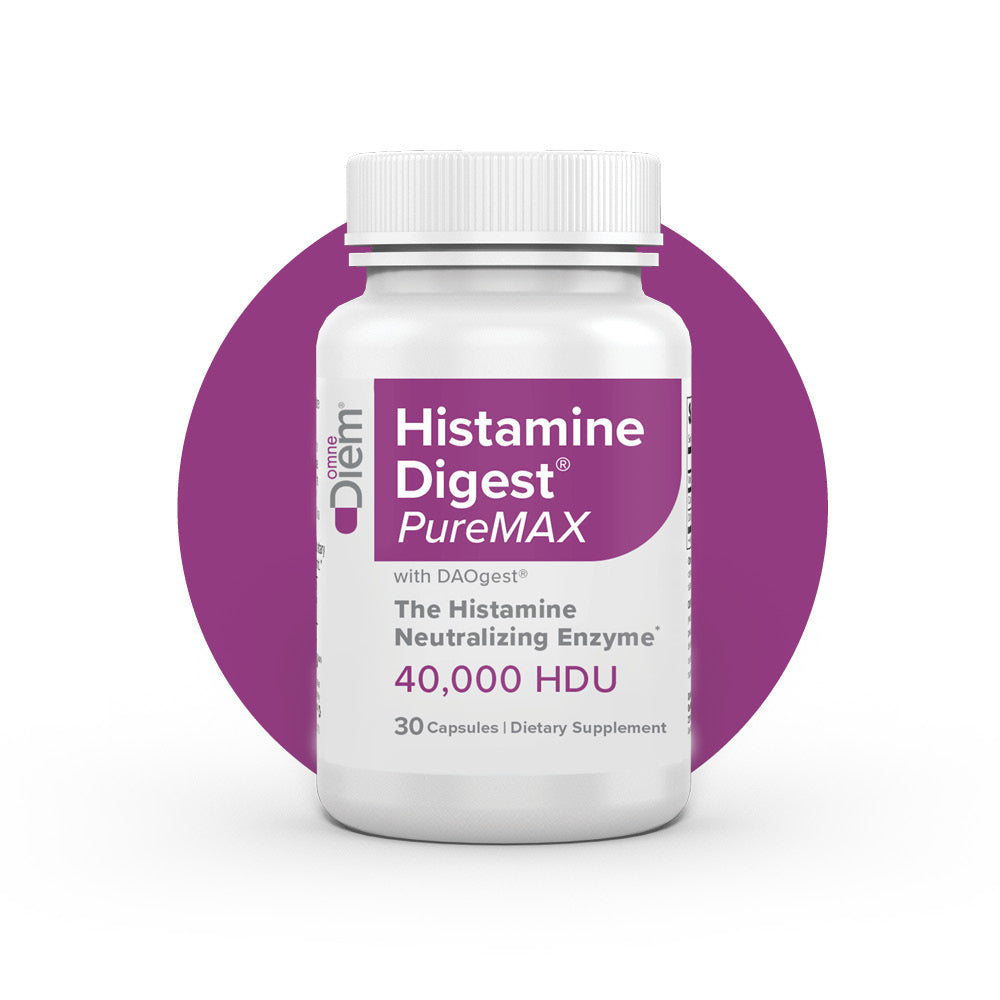
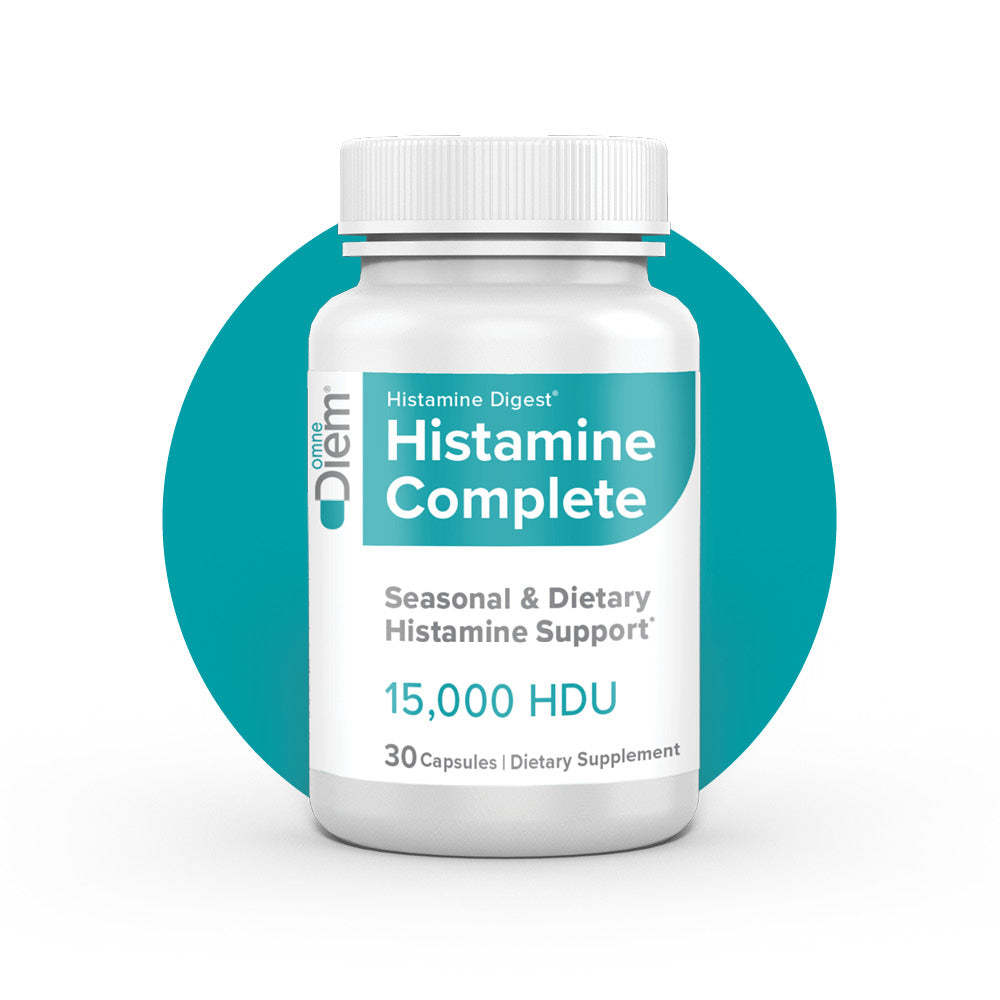
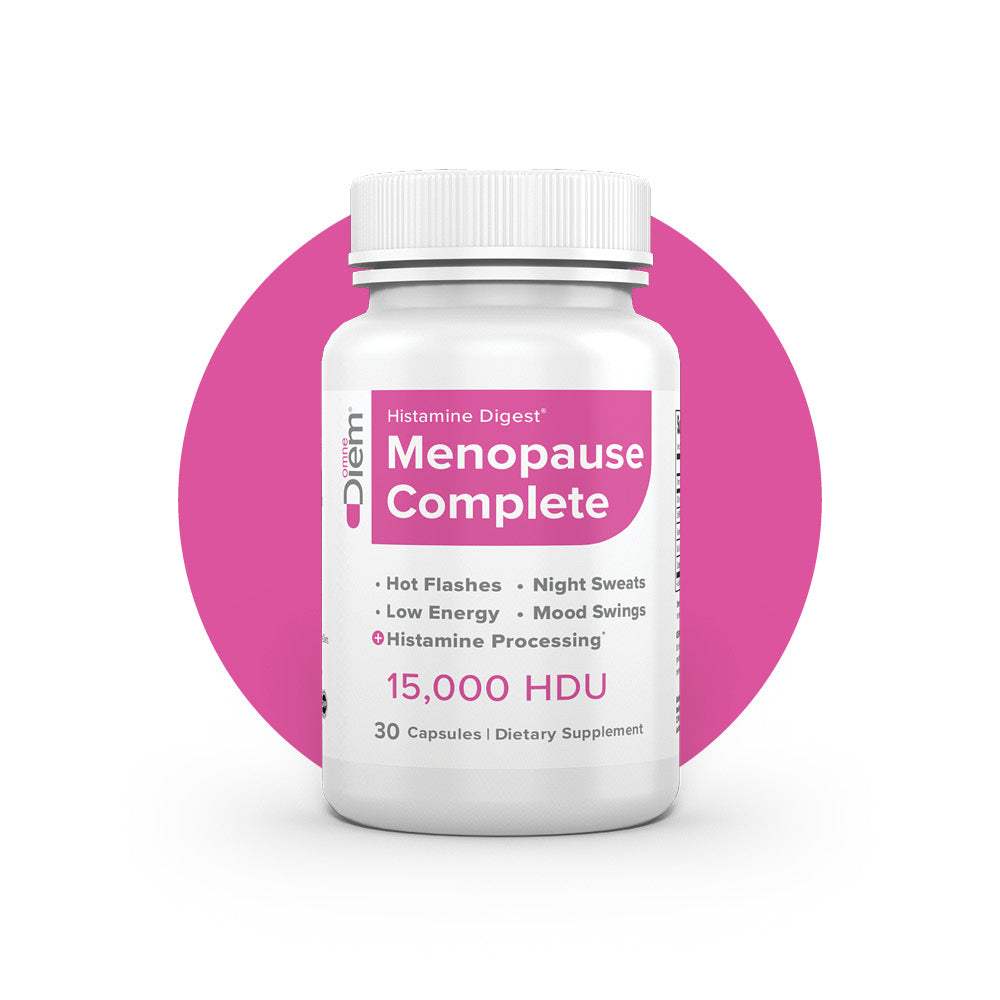
Different lives, different histamine loads. Find the DAO enzyme format that fits yours.
Frequently Asked Questions
What is the difference between histamine intolerance and a food allergy?
A food allergy is an immune (IgE-mediated) reaction: the body treats a harmless substance as a threat and triggers mast cells to release histamine, and it can be confirmed with allergy testing. Histamine intolerance isn’t an immune overreaction — it happens when your body can’t break histamine down fast enough, usually because of low DAO enzyme activity. That’s why allergy tests are typically positive in a true allergy but negative in histamine intolerance.
How is histamine intolerance different from MCAS?
In MCAS the mast cells over-release histamine and other mediators even without a real threat. In histamine intolerance the mast cells usually behave normally, but the body clears existing histamine too slowly. Put simply: MCAS is a problem of excess release, histamine intolerance is a problem of slow breakdown — and the two can occur together.
Why do my allergy tests come back negative if I still react to foods?
Standard allergy tests look for IgE antibodies. Histamine intolerance doesn’t involve IgE, so those tests are usually negative even though the symptoms are real. Reactions depend on your total histamine load rather than one specific trigger food.
Can histamine intolerance feel like anxiety or fatigue?
Yes. Histamine is also a neurotransmitter, so high levels can cause a racing heart, restlessness, brain fog, and fatigue that overlap with anxiety, depression, or CFS. The distinguishing clue is that histamine symptoms fluctuate with food and total histamine load, while anxiety, depression, and CFS tend to stay more constant.
Does taking a DAO enzyme help with histamine intolerance?
Because histamine intolerance is often linked to low DAO activity, supplementing the DAO enzyme with histamine-containing meals is one approach many people use alongside a lower-histamine diet. Studies of DAO supplementation have reported symptom improvement in people with histamine intolerance.8 Talk to your healthcare provider about what’s right for you.
References
- Sánchez-Pérez S, et al. Histamine Intolerance: Symptoms, Diagnosis, and Beyond. Nutrients / PMC, 2024. pmc.ncbi.nlm.nih.gov/articles/PMC11054089 ↩
- Comas-Basté O, et al. Histamine Intolerance: The Current State of the Art. Biomolecules / PMC, 2020. pmc.ncbi.nlm.nih.gov/articles/PMC7463562 ↩
- Amin K. IgE and mast cells in allergic disease. NIH / PMC, 2013. pmc.ncbi.nlm.nih.gov/articles/PMC3597223 ↩
- Weiler CR, et al. Diagnosis, Classification and Management of Mast Cell Activation Syndromes (MCAS). NIH / PMC, 2020. pmc.ncbi.nlm.nih.gov/articles/PMC7731385 ↩
- Manzotti G, et al. Serum diamine oxidase activity in patients with histamine intolerance. NIH / PMC, 2016. pmc.ncbi.nlm.nih.gov/articles/PMC5806734 ↩
- Haas HL, et al. Histamine in the brain. NIH / PMC, 2014. pmc.ncbi.nlm.nih.gov/articles/PMC4009418 ↩
- National Institute of Neurological Disorders and Stroke (NIH). Myalgic Encephalomyelitis/Chronic Fatigue Syndrome (ME/CFS). ninds.nih.gov ↩
- Schnedl WJ, et al. Diamine oxidase supplementation improves symptoms in patients with histamine intolerance. NIH / PMC, 2019. pmc.ncbi.nlm.nih.gov/articles/PMC6859183 ↩
This article is for educational purposes only and is not medical advice. Histamine Digest® products are not intended to diagnose, treat, cure, or prevent any disease. Talk to a qualified healthcare professional before making changes to your diet or supplement routine.